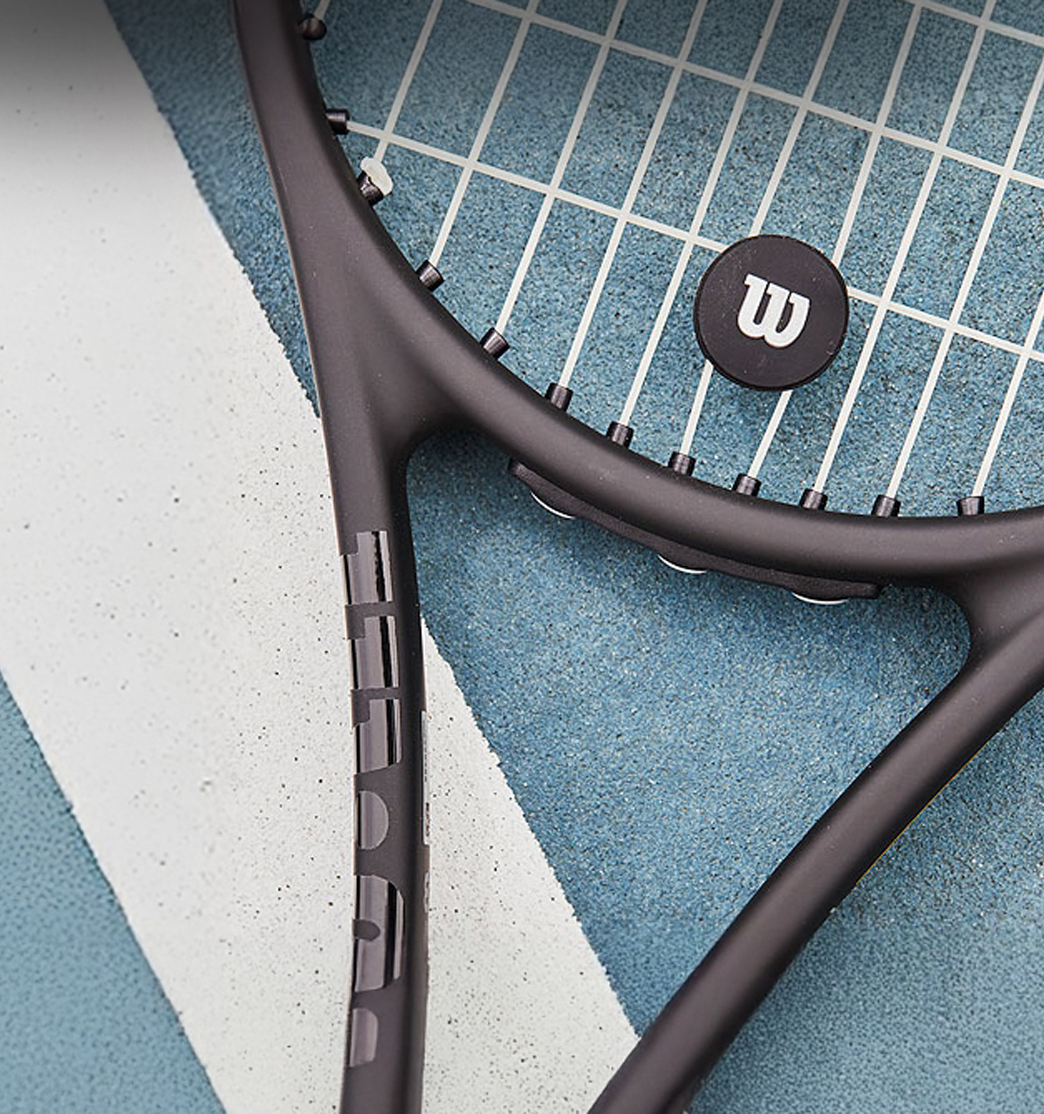
A tennis dampener is a small insert that changes how your racket feels after impact. When the ball leaves the strings, modern tennis rackets produce a sharp buzz. A tennis dampener, also called a vibration dampener or tennis vibration dampener, sits between the main strings and calms that buzz. At TennisShop.ae, you can pick the best tennis dampener for comfort, a cleaner sound, and a more controlled response.
Many players treat dampeners as essential tennis accessories. They are inexpensive, quick to fit, and widely used because they make the frame feel stable instead of buzzy.
What Are Tennis Dampeners & How Do They Work?
A tennis dampener, sometimes called a tennis racket dampener, is a compact piece of rubber, silicone, or gel that clips onto the two centre main strings near the throat. It does not create extra power or spin. Its core role is to act as a targeted vibration dampener that filters post-impact shock and manages the sound of contact. With a quality insert, the hit sounds deeper and more solid, rather than high-pitched.
Vibration Reduction Technology
Right after contact, the mains snap back and create fast, high-frequency vibration. The dampener compresses and absorbs part of that energy before it reaches your hand and forearm. You get a calmer feel at impact and less sudden aftershock on off-centre hits.
Sound Dampening Benefits
Sound affects confidence. Without any insert, the racquet can sound thin; with one, the contact sounds heavier and more controlled. That instant audio change helps many players swing through the ball rather than decelerate.
Enhanced Racket Feel & Control
By cutting the leftover buzz, the insert allows clearer feedback in the hand. Volleys, blocks, and defensive shots feel steadier, and the racket face stays calmer through contact. Over time, that stability supports a cleaner direction and repeatable depth.
Choosing the Right Tennis Dampener for Your Game
Not every insert feels the same. Shape, firmness, and material all influence comfort and feedback. The right choice depends on what you want to feel at impact and how you strike the ball.
Material Selection Guide (Rubber, Silicone & Gel)
Rubber: Classic button-style pieces use firm rubber. They remove a large share of post-impact buzz, resulting in a muted response. Silicone: Softer and slightly more flexible. It balances comfort and touch and suits all-court players. Gel or hybrid cores: These aim for maximum softness and shock filtering for players with a sensitive wrist or forearm.
Dampener Size & Shape Options
Two common formats appear in most tennis accessories:
Button dampeners: Small, round or logo-shaped clips that sit between the centre mains. Simple and tidy.
“Worm” or bar dampeners: Longer strips that lace through several mains. They cut more vibration and create the most muted sound.
If you only want light filtering, start with a compact insert. If you prefer the quietest contact possible, try a longer bar-style tennis dampener.
Playing Style Considerations
Heavy hitters with high racquet head speed often prefer a firmer insert because it keeps the frame from feeling too lively on off-centre contact. Control-focused and all-court players usually choose a medium-soft version to preserve touch on volleys and slices. Improving players mainly want a calmer hit so they can focus on timing; for them, any well-fitted tennis dampener adds value.
Budget-Friendly Options
You do not need to overspend. Entry-level options already deliver meaningful vibration control, improved sound, and a cleaner feel. For most players, a standard tennis dampener is an effective, low-cost upgrade to their tennis rackets.
Key Benefits of Using a Tennis Dampener
Though small, this insert supports comfort, confidence, and consistency.
Improved Playing Comfort
A tennis dampener reduces sharp, high-frequency vibration. Less of that shock reaches the wrist and forearm, making long practice sets feel easier. While no insert is a medical cure for joint pain, many regular players find the softer response simply kinder on the arm.
Better Shot Consistency
When the frame feels predictable, you trust your swing. The calmer response from a tennis dampener helps the racquet face stay steady through contact, so you guide the ball rather than react to harsh feedback.
String Protection & Durability
A longer bar-style insert can slightly stabilise the main strings near the throat. Limiting extreme snap-back in that zone may reduce minor string wear there. It will not double string life, but it can help keep the lower mains tidier between string jobs.
How to Install Your Tennis Dampener
Fitting a tennis dampener takes only a few seconds and does not require a stringer.
Proper Placement Guidelines
Under ITF rules, the vibration dampener must sit outside the patterned hitting area. In match play, players place the insert just above the throat, directly under the first cross string. Do not mount it in the middle of the string bed; that position is not compliant.
Dampener Installation Steps
Step 1: Position the notch of the tennis dampener on one of the two centre main strings near the throat. Step 2: Pull the second centre main string into the opposite notch so the vibration dampener now bridges both mains. Step 3: Slide the insert upward until it touches the first cross string. At this point, it sits firmly, and the tennis racket dampener should not rattle or fall out.
Check that it is straight and secure before you start hitting.
Top Tennis Dampener Brands at TennisShop.ae
You will find trusted names in performance tennis accessories:
Babolat: A Babolat dampener delivers a muted, solid sound that pairs well with modern polyester strings.
Head: A head dampener cuts harsh vibration while keeping enough feel for touch and slice work.
Wilson: A wilson dampener comes in both button and bar formats and appeals to players who want a steady feel and a confident contact sound.
Each of these brands offers reliable build quality and a secure fit, so you can test and decide which tennis dampener feels most natural in your own racket.
FAQs
1. What does a tennis dampener actually do?
It filters post-impact string buzz and manages the contact sound. You feel less shock, and the hit sounds deeper and more controlled.
2. Do professional tennis players use dampeners?
Yes. Many professionals and top juniors install a tennis dampener because they prefer the calmer feel and sound. Others play without one, so it is a personal choice.
3. Can dampeners prevent tennis elbow?
A tennis dampener can make contact feel softer, but it is not a medical fix. Grip size, string type, and technique still matter.
4. Can I use multiple dampeners on one racket?
You may place more than one tennis vibration dampener only if each piece sits outside the main hitting area, usually near the throat. Most players use a single unit because one well-fitted tennis dampener is enough.
5. How long does a tennis dampener last?
Most inserts last for months. Replace the dampener if it cracks, warps, or stops holding securely between the centre mains, and keep a spare in your bag.