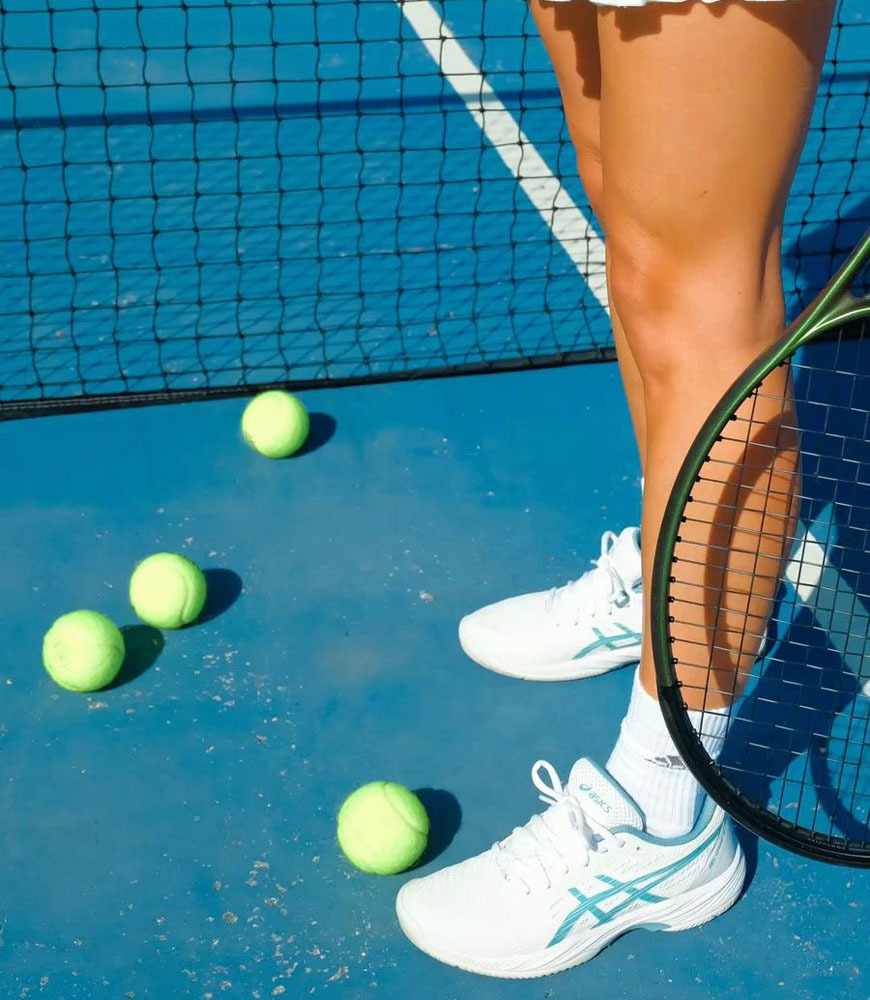

Tennis Elbow Exercises & Prevention: How String Tension and Racket Weight Affect
Tennis elbow affects all levels of tennis players from beginner through professional, and is one of the most commonly cited injuries by tennis players. Tennis elbow can reduce an individual's ability to grip and have sufficient strength in their arms, especially when tennis elbow exercises are not utilized to prevent injury. As such, if a player is consistently training and competing, they will likely develop tennis elbow without realising it until it's too late. Tennis elbow typically does not develop because of just tennis equipment or a technique. There are many factors that cause tennis elbow. Generally tennis elbow causes include factors like the type of racket, the string tension, improper technique, and not enough recovery time.
Simultaneously, if the equipment is not properly suited for a player’s physical size or they lack adequate strength, this too causes tennis elbow. For these reasons, understanding what causes tennis elbow and caring for it properly is essential for players. Fortunately, tennis elbow is a manageable injury, with appropriate tennis elbow exercises, smarter training methods and correctly fitted tennis equipment. A tennis player can reduce the stress placed upon their elbow and still be able to retain power and comfort during performances.
What Is Tennis Elbow? Definition, Causes & Risk Factors
Before understanding tennis elbow prevention methods, understanding what is tennis elbow, is vital. Tennis elbow is a condition that results from repetitive strain on the tendons connecting the forearm muscles to the outer portion of the elbow. It occurs when the tendons are subjected to more strain than they can handle, resulting in inflammation, micro-tears, and pain when gripping or striking an object. Not performing exercises for tennis elbow prolongs the issue.
Tennis Elbow Causes & Key Risk Factors
Common tennis elbow causes include frequent repetitive backhand strokes, too much pressure while gripping, and rapidly increasing your training volume and intensity. Inadequate time to recover, not performing tennis elbow exercises, poor technique, and using an ill-fitting racket can all contribute to tennis elbow.
Best Tennis Elbow Exercises
Specific exercises have been proven effective in restoring strength and increasing load tolerance in the forearm tendons. The best exercises for tennis elbow play an important role in long-term tennis elbow prevention.
1. Eccentric Wrist Extensor Exercises
One of the best exercises for tennis elbow is eccentric resistance exercises. The eccentric exercises for tennis elbow target the muscles of the forearm during the slow lowering of the wrist under load. The forearm exercises for tennis elbow provide increased strength for the tendon.
2. Forearm Strength & Grip Balance Exercises
One of the top ways in how to prevent tennis elbow is to develop balanced forearm strength between wrist flexors and extensors. This helps reduce the likelihood of uneven load distribution and enhances shock absorption during ball impact.
3. Shoulder and Scapular Stability Exercises
Strong shoulders take some of the strain off the elbow, while scapular stability exercises help create better mechanics in stroke production, contributing to tennis elbow prevention.
4. Mobility Exercises for Wrist & Elbow
Low-intensity mobility exercises for tennis elbow are a great way to maintain joint mobility and decrease stiffness. Tennis elbow exercises and stretches help improve blood flow, and therefore, help recuperate between sessions.
5. Grip Strengthening with Resistance Band
Using resistance bands for controlled grip training develops endurance. This tennis elbow prevention exercise also enhances racket control and protects your elbow.
Tennis Elbow Prevention: What Actually Works
Prevention isn't about only one solution. It is about making consistent, intelligent choices of exercises for tennis elbow, equipment, choice, and more.
Proper Load Management & Recovery
Never make sudden jumps in volume or intensity. Always incorporate rest days, cross-training, and adequate recovery into your schedule of tennis elbow exercises.
Technique and Grip Adjustments
Make small technical adjustments, as technique is one of the leading tennis elbow causes. Eliminate excessive wrist flicking or gripping tennis rackets too tightly, which can affect your elbow health.
Pre and Post Game Warm-Up and Mobility for Elbow Health
Dynamic tennis elbow exercises warm-ups prepare your tendons to handle the loads that will occur during play. Performing mobility exercises directly after a match helps recover from the match and decrease stiffness.
How String Tension and Racket Weight Affect Tennis Elbow
How you choose tennis equipment has a tremendous impact on how much your arm strains when playing.
Impact of String Tension on Elbow Stress
The best string tension for tennis elbow is an important piece of information. High string tension tennis elbow increases vibration and shock to the elbow due to the load placed on it. Lower string tension tennis elbow allows the strings to absorb some impact.
Racket Weight, Balance, and Shock Absorption
A heavier racket, if properly balanced, will absorb more shock than a lightweight frame. The ultra-light frame can transmit excessive vibrations into the arm.
String Type and Material Importance
Softer string materials are designed to absorb vibrations created when striking the tennis ball. Different string types produce varying levels of vibration, and the proper selection decreases repetitive stress on the elbow.
Proper Grip Size for Elbow Safety
Tennis grips impact the strain on forearm muscles. Using a properly sized grip will allow relaxed control and reduce the likelihood of overloading under the tendons.
Best Tennis Equipment for Tennis Elbow Prevention: Shop at TennisShop.ae.
Now that you know what is tennis elbow and the importance of tennis elbow exercises, it is vital to understand what the best equipment for tennis is. Choosing the best racket for tennis elbow, and the best string tension for tennis elbow are critical to preventing grave injury. Choosing a tennis racket that is appropriately fitted and has the right string tension tennis elbow is a great starting point.
Properly chosen tennis strings will provide maximum vibration absorption and comfort. If you shop at TennisShop.ae, you will have access to the knowledge, experience, and equipment necessary to protect your performance and long-term joint health.
Final Takeaway: Prevention and Action
Tennis elbow can sometimes be treated and can be prevented. Targeted tennis elbow exercises, smart recovery, and using the correct equipment are critical. Be sure to pay attention to your string tension, racket weight, and grip size. These factors not only affect performance but also protect your body.
FAQs
1. What are the best exercises for tennis elbow?
The best tennis elbow exercises include eccentric wrist extensor exercises, forearm strengthening, grip and balance improvement, and shoulder stability exercises.
2. How can I prevent tennis elbow from coming back?
Incorporating tennis elbow exercises routinely into your practice and choosing the right gear helps prevent tennis elbow.
3. Can string tension cause tennis elbow?
Yes. String tension significantly contributes to tennis elbow and should be addressed.
4. Should I stop playing tennis if I have tennis elbow?
It depends upon the severity. Early intervention can prevent the injury from becoming serious. However, enough recovery time is essential.
5. How long does a tennis elbow take to heal?
The exact recovery period depends upon individual cases, as well as continued strain being put on the injury.
6. What racket weight is best for preventing tennis elbow?
Racket weight must be chosen by the individual player on the basis of their style and other peculiarities of their game.
From Our Blog

Iga Swiatek ranking, stats, titles and records

Laver Cup 2026 Format and Schedule at The O2 London

2026 China Open tennis tournament dates, players, and history

How Coco Gauff rose to the top of women's tennis

Pickleball vs Tennis: What's the Difference Between the Two Sports
Pickleball Rules Guide For Beginners

Pickleball court dimensions and size guide

Who Has Won the Most Grand Slam Titles in Tennis?

Tennis Strings Guide: Everything You Need to Know
Tennis Scoring: System, Points, Games, Sets & Tie-Break
How to Improve Tennis Backhand Like a Pro: Tips & Technique

Cincinnati Open Tennis: Schedule, History & Guide

Alexander Zverev Career, Titles, Stats & Records

Who Is Novak Djokovic? Career Timeline, Titles, Stats & Records

Jannik Sinner 2026: Rankings, Stats & Latest News

Carlos Alcaraz 2026: Ranking, Records & Grand Slam Outlook

US Open 2026: Schedule, Players, Venue, Scoring & Rules

Wimbledon 2026 Guide: Schedule, Players, & Rules

Serena Williams Wimbledon 2026 Comeback: Latest Update

Roland Garros 2026: French Open Overview & Predictions

Italian Open 2026: Overview, Predictions and Legacy

How to Become a Professional Tennis Player

Tennis Miami Open 2026: Overview, Winners, History & Facts

7 Steps to Master a Tennis Serve (Beginner’s Guide)

7 Tips to Choose the Best Padel Shoes | Complete Guide

Pickle Ball vs Padel: What’s the Difference in Rules and Play?

Dubai Duty Free Tennis Championships 2026: Complete Guide
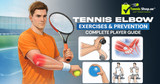
Tennis Elbow Exercises & Prevention: Complete Player Guide

Guide to Mubadala Abu Dhabi Open 2026: Tickets & Info

Top Tennis Warm Up Exercises to Boost Performance

Six Kings Slam 2025: Sinner’s Win & Riyadh’s Tennis Rise

Australian Open 2026: Everything You Need to Know

Top Longest Tennis Matches Ever Played in History

Top 10 Tips for Playing Padel Like a Pro | TennisShop.ae

Roger Federer Net Worth in 2025: The Billionaire of Tennis

ATP Champions: Top 10 ATP Legends Who Ruled the Tour

Laver Cup vs Davis Cup – Everything You Need to Know