
How to Become a Professional Tennis Player
Introduction
If you have ever watched a high-level match and thought about stepping onto that court yourself, you are not alone. Many young players in the UAE pick up a Tennis Racket with that same goal in mind. But becoming a professional tennis player is not just about talent or winning a few matches. It takes years of structured training, discipline, and the right decisions at every stage.
The path is demanding. Most players start young, often in junior tournaments, and keep going through national and international tournaments. Players spend money on coaching, fitness, gear, and travel along the way. The trip isn't easy, but it can be done with the right attitude and help.
This guide explains what it really takes to go from playing tennis for fun to becoming a serious player who wants to play professionally.
How Sponsorships and Partnerships Shape Tennis Careers
At the professional level, tennis is not just a sport. It becomes a career that involves travel, coaching teams, tournament entry fees, and equipment costs. This is where sponsorships start to matter.
Brands often support players who show promise at junior or early professional stages. These partnerships may include gear support, financial backing, or access to training facilities. For example, a player might receive a sponsored Tennis Racket, Tennis shoes, or even a full Tennis Bag setup.
But sponsorship does not come early for most players. It usually follows consistent performance in tournaments. Until then, players and their families often handle the expenses themselves.
Why Talent and Passion Matter in Tennis
Talent helps, but it is not enough on its own. Many players start strong but lose consistency over time. Passion is what keeps you going through long training sessions, tough losses, and slow progress.
You need to enjoy the tennis game, not just the idea of winning. Some days will feel repetitive. Others will feel frustrated. That's just how things work.
Players who stay with it usually learn more about the game. They learn how to change their game, get better at it, and stay focused even when things aren't going their way.
How Coaches Help Tennis Players Succeed
A good coach doesn't just teach you how to learn new skills. They help you get better, keep track of your progress, and get ready to compete.
A lot of academies in the UAE have structured training programs. All of these programs are about getting fit, improving your strokes, coming up with a strategy for your match, and footwork. Coaches also help players choose the right gear, such as the right Tennis String setup for how they play.
As you get better, coaching becomes more specific.
Some players have their own fitness trainers, mental coaches, and hitting partners. This kind of help makes every part of your game better.
How to Build a Strong Mindset for Tennis Success
Tennis is just as much a mental game as it is a physical one. In a match, things can change quickly. Just because you start strong doesn't mean you'll win, and just because you start slow doesn't mean you're out.
You need to know how to stay calm when things get hard. You should pay attention to each point instead of the total score. You need to practice this. A lot of players work on their mental routines, breathing techniques, and being aware of the game.
Losing is a part of the journey. They have happened to every professional. How you react is what matters. Do you learn from the game, or does it make you less sure of yourself?
Fitness and Training Tips for Tennis Players
Tennis requires speed, strength, and endurance. You need to move quickly, recover between points, and stay sharp for long matches.
Training usually includes a mix of on-court practice and off-court fitness. Players work on agility drills, strength training, and endurance exercises. Footwork is especially important. Good movement allows you to reach the ball early and play better shots.
Recovery matters too. Rest, stretching, and proper nutrition all play a role in maintaining performance.
Simple habits make a difference. Consistency builds results.
Selecting The Right Tennis Equipment is Important
Equipment plays a key role in how you perform on court. The right Tennis Racket should match your playing style and level. Beginners may prefer lighter rackets, while advanced players often look for more control and precision.
Your choice of Tennis String also affects your game. Some strings offer more power, while others provide better control or spin. This is something players often adjust as they improve.
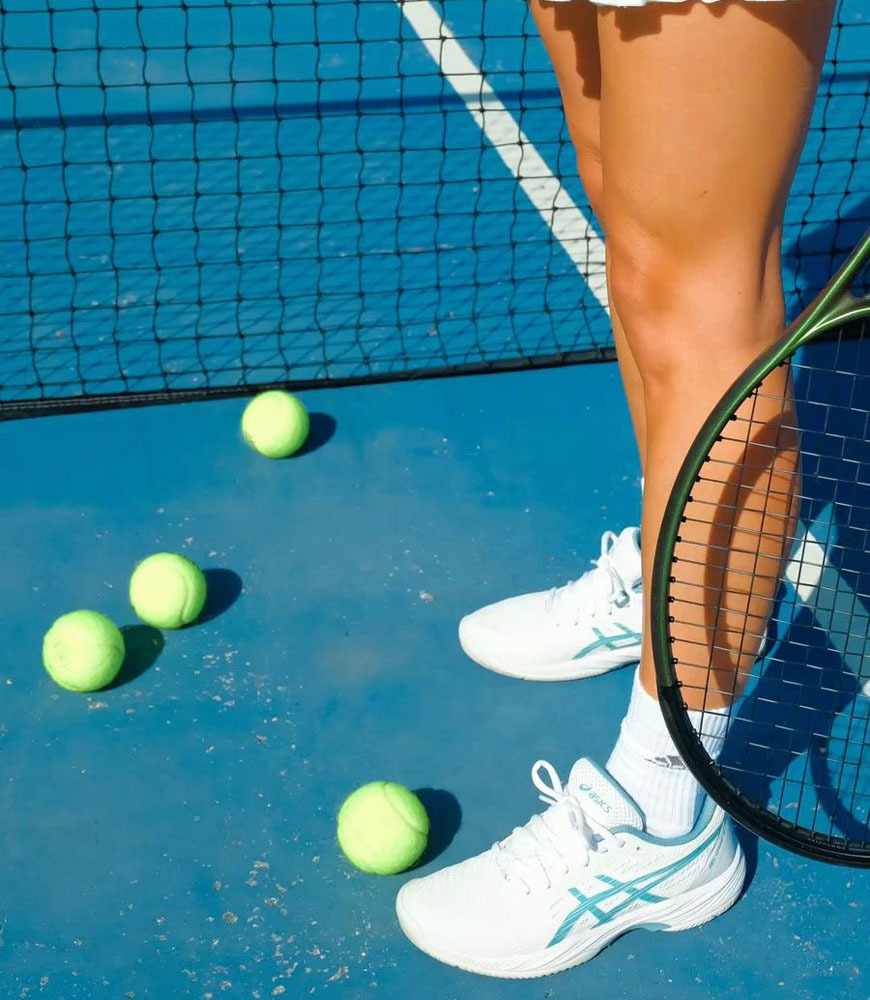
Shoes are just as important. Good tennis shoes give you grip, support, and stability when you move. A good tennis bag makes it easy to keep your gear organized and carry it all to practice and matches.
Picking the right gear early on can make you more comfortable and help you do better.
Playing Tournaments to Gain Experience
You can't just practice. Playing in games is the best way to improve as a player. At local and regional tennis tournaments, you can play against people who play in different ways.
Tournaments teach you how to handle stress, manage your energy, and change your game plan during a match. They also show you how you stack up against other players.
As you get better, you can start competing at higher levels. This is how players move up the rankings and into professional circuits.
Why a Strong Support System is Important in Tennis
There is always a support system behind a successful player. This includes family, coaches, and sometimes even sponsors.
Tennis can be hard, especially when you're traveling or competing. It makes a big difference to have people who believe in your goals. They help you stay on track, deal with problems, and keep going.
Family support is very important for younger players. It helps them keep their training, school, and competition in balance.
Practice Regularly to Improve Your Game
Improvement in tennis comes from regular practice. It is not about playing once in a while. It is about building a routine.
Daily or weekly training sessions help you refine your technique and improve consistency. Repetition matters. The more you practise, the more natural your movements become.
Even small improvements add up over time.
Be Prepared for the Costs of a Tennis Career
Tennis can be expensive, especially as you move to competitive levels. Costs include the cost of coaching, court time, travel, tournament entry, and gear.
Players often need more than one racket, good strings, the right shoes, and training gear. As you play in more tournaments, your travel costs go up.
It's important to plan your money. Some players look for sponsorships or scholarships to help them along the way. Some people keep their costs down by competing in local events before moving on to international ones.
Conclusion
To become a professional tennis player, you need to put in a lot of time and effort and have the right attitude. There is no easy way out. You make your way by training, competing, and learning from each match.
The trip is hard, but it is also worth it. You can get closer to your goal if you have the right help, the right tools, and keep working hard.
It all starts with one choice. Grab your racket and get started.
FAQ
How do you get white tennis shoes white again?
Use a soft brush with mild soap and water. Gently scrub the surface and let the shoes air dry. Avoid harsh chemicals.
Is it better to wash tennis shoes in the washer or dishwasher?
A washing machine on a gentle cycle is safer. Dishwashers can damage the material due to heat and pressure.
How to clean white tennis shoes with fabric?
Use a mix of mild detergent and water. Apply with a cloth or brush, clean gently, and air dry completely.
How to clean white tennis shoes without washing them?
Wipe with a damp cloth and use a soft brush for stains. Baking soda paste can help remove marks without soaking the shoes.
From Our Blog

Aryna Sabalenka: Career, Timeline, Stats & Playiing Style

Mirra Andreeva: Career, Ranking, Stats & Playing Style

Iga Swiatek ranking, stats, titles and records

Laver Cup 2026 Format and Schedule at The O2 London

2026 China Open tennis tournament dates, players, and history

How Coco Gauff rose to the top of women's tennis

Pickleball vs Tennis: What's the Difference Between the Two Sports

Pickleball Rules Guide For Beginners

Pickleball court dimensions and size guide

Who Has Won the Most Grand Slam Titles in Tennis?

Tennis Strings Guide: Everything You Need to Know

Tennis Scoring: System, Points, Games, Sets & Tie-Break

How to Improve Tennis Backhand Like a Pro: Tips & Technique

Cincinnati Open Tennis: Schedule, History & Guide

Alexander Zverev Career, Titles, Stats & Records

Who Is Novak Djokovic? Career Timeline, Titles, Stats & Records

Jannik Sinner 2026: Rankings, Stats & Latest News

Carlos Alcaraz 2026: Ranking, Records & Grand Slam Outlook

US Open 2026: Schedule, Players, Venue, Scoring & Rules

Wimbledon 2026 Guide: Schedule, Players, & Rules

Serena Williams Wimbledon 2026 Comeback: Latest Update

Roland Garros 2026: French Open Overview & Predictions

Italian Open 2026: Overview, Predictions and Legacy

How to Become a Professional Tennis Player

Tennis Miami Open 2026: Overview, Winners, History & Facts

7 Steps to Master a Tennis Serve (Beginner’s Guide)

7 Tips to Choose the Best Padel Shoes | Complete Guide

Pickle Ball vs Padel: What’s the Difference in Rules and Play?

Dubai Duty Free Tennis Championships 2026: Complete Guide

Tennis Elbow Exercises & Prevention: Complete Player Guide

Guide to Mubadala Abu Dhabi Open 2026: Tickets & Info

Top Tennis Warm Up Exercises to Boost Performance

Six Kings Slam 2025: Sinner’s Win & Riyadh’s Tennis Rise

Australian Open 2026: Everything You Need to Know

Top Longest Tennis Matches Ever Played in History

Top 10 Tips for Playing Padel Like a Pro | TennisShop.ae

Roger Federer Net Worth in 2025: The Billionaire of Tennis