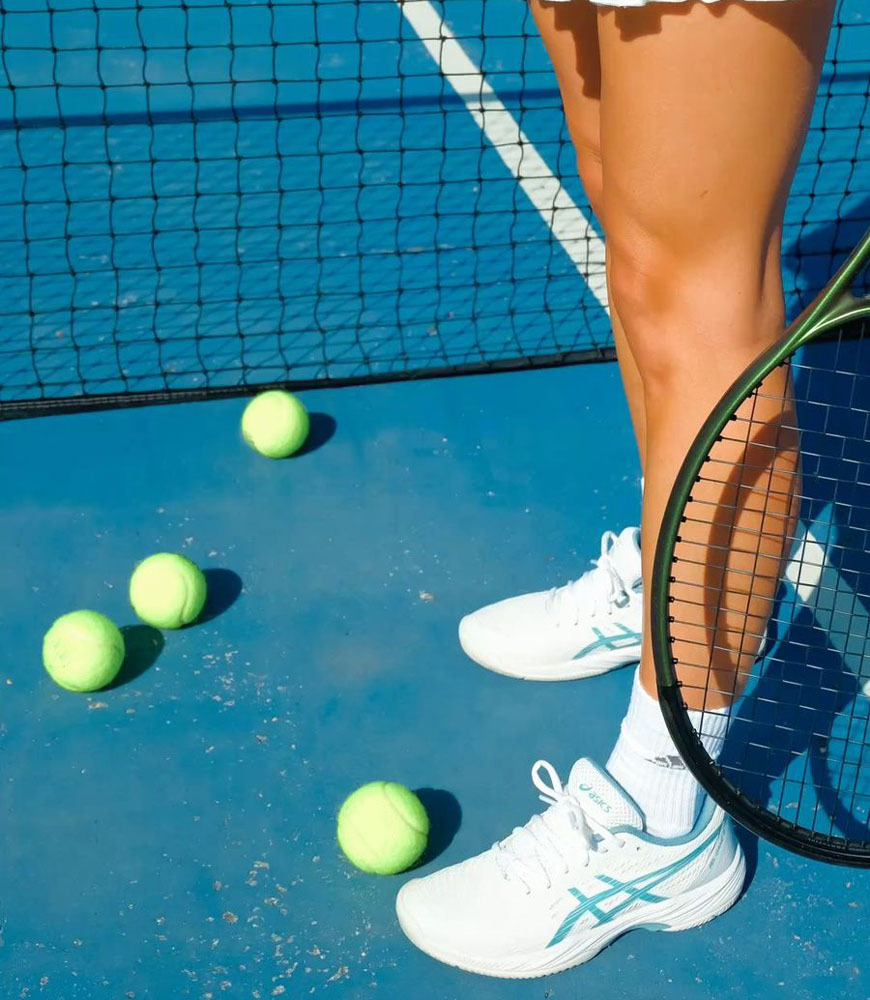
Tennis Shoes vs Padel Shoes: Outsole, Grip and Support Compared
Tennis shoes and padel shoes look pretty similar sitting on a shelf. Put them on a court, and the difference shows up fast. When you compare tennis shoes vs padel shoes, it mostly comes down to the outsole, the grip, how much side-to-side support you get and how long the shoe holds up. Tennis shoes are made for hard, clay and grass courts, where you're constantly sliding, stopping and pushing off sideways, while padel shoes are usually built for sand-filled artificial turf, where you need steady traction for short sprints, quick turns and sudden changes of direction.
The right pair can make movement feel more controlled. The wrong outsole may wear faster or provide less suitable grip for your court. Before buying, consider where you play most often, how frequently you train and whether you prefer a firmer, more supportive feel or a shoe that allows quick movement on artificial turf. Here's how the two types compare, and what to look for before choosing.
What Is the Difference Between Tennis and Padel Shoes?
The main difference between tennis and padel shoes is how their soles interact with the court. Tennis shoes come in different designs for different surfaces. Padel shoes mostly focus on grip and controlled movement on artificial turf. Cushioning, upper build and the support each model gives also play a part.
The difference between tennis and padel shoes also depends on cushioning, upper construction and the support each model provides.
|
Feature |
Tennis shoes |
Padel shoes |
|
Court surface |
Hard, clay or grass |
Mainly artificial turf |
|
Outsole pattern |
Varies by court type |
Often herringbone or modified tread |
|
Grip |
Matched to the tennis surface |
Designed for traction on padel turf |
|
Lateral support |
Helps control baseline and net movements |
Helps with rapid turns and short movements |
|
Cushioning |
Varies by model and playing style |
Varies by model and intended use |
|
Durability |
Depends on surface and outsole compound |
Depends on turf, sand and playing frequency |
|
Price |
Varies by brand and construction |
Varies by brand and construction |
In practical terms, tennis vs padel shoes shouldn't be treated as a choice between a heavier and lighter shoe. Both sports demand stability, and individual models can differ considerably. Check the manufacturer's surface recommendation before buying.
Outsole Comparison: Tennis vs Padel
The outsole comparison of padel vs tennis shoes decides how your shoe grips the court, and how quickly the tread wears down.
- Tennis shoes for hard courts: These usually have tough rubber and a modified tread pattern, since hard courts are rough and you're starting and stopping all the time.
- Tennis shoes for clay courts: A full herringbone pattern gives you traction, and the grooves let clay clear out as you move.
- Padel shoes: Lots of models use herringbone or hybrid patterns for grip on artificial turf, including courts with sand.
Grip and Court Surface: Hard, Clay, Grass and Padel Turf
The surface should guide your footwear choice. Here's a quick reference.
|
Court surface |
Outsole to look for |
What it helps with |
|
Hard court |
Durable rubber with a suitable hard-court tread |
Traction and resistance to abrasion |
|
Clay court |
Full herringbone tread |
Controlled movement and clay clearance |
|
Grass court |
Court-specific tread, often with small nubs |
Grip on a potentially slippery surface |
|
Padel turf |
Herringbone or hybrid tread suited to the court |
Traction during short sprints and turns |
Court conditions matter, too. A padel court with plenty of loose sand may feel different from one with less sand, even when both use artificial turf. If you regularly switch between sports, consider keeping separate pairs for each surface.
Your equipment deserves the same attention. Players who carry both tennis rackets and padel rackets between clubs should check their footwear before each session rather than assuming one pair suits every court.
Support, Cushioning and Weight
Lateral support helps keep your foot secure when you push off to reach a wide ball. Both tennis and padel shoes need it, though the exact construction varies between models.
Cushioning is about how the shoe feels underfoot, especially after lots of stops and landings. If you play on hard courts, you might like a model with cushioning that suits that firm surface.
Weight and flexibility affect how freely you move. Some padel shoes feel light and flexible for quick adjustments, while some tennis models prioritise a more structured feel.
Don't overlook toe protection, either. Dragging a toe during a low shot can wear through the upper, so reinforced areas may be useful for players who move aggressively around the court.
How to Choose the Right Court Shoes for Your Game
Before you buy, run through this checklist.
- Surface: Identify the court you use most often. Check the product description for a specific surface recommendation.
- How often you play: Someone on court twice a week has different durability needs from a person training five days a week.
- Foot shape: Look for a fit that holds your heel firmly without squeezing your toes or pressing on the sides.
- Budget: Compare the sole, the support and the fit instead of picking by price alone.
- Try-on test: Wear your usual tennis socks. Stand, walk and take a few gentle side steps to check the fit.
- Signs of wear: Inspect the tread, cushioning and heel hold regularly. A shoe can lose useful grip before its upper looks badly damaged.
Don't assume that going up a size will solve every fit issue. If your heel slips while the forefoot feels tight, try a different shoe shape instead.
Shop Tennis and Padel Shoes at TennisShop.ae
Choosing court shoes starts with your playing surface, fit and movement needs. At TennisShop.ae, you can browse tennis shoes and padel shoes from brands like Nike and ASICS. Need something to carry your court essentials? There are tennis bags too. Check each shoe's surface suitability before deciding.
Conclusion
The best shoe is the one that suits your court, secures your foot and gives you the grip your movement requires. Tennis and padel share plenty of fast footwork, but their playing surfaces can call for different outsole designs. TennisShop.ae gives players a practical starting point for comparing both collections and choosing footwear with care.
FAQs
1. Can I wear tennis shoes for padel?
Sometimes, yes. Tennis shoes can work on a padel court if the sole gives you decent traction on the turf. But hard-court soles can act differently on sand-filled artificial grass, so check the shoe's surface recommendation before you make a habit of it.
2. Why do padel shoes have a different outsole?
Lots of padel shoes use herringbone or hybrid tread patterns for traction on artificial turf. The grooves help the sole work with the turf and the sand when you turn, stop or change direction. The best pattern depends on the court's surface and how much sand it has.
3. Are padel shoes good for tennis?
They can work for occasional use, but they aren't automatically suitable for every tennis surface. A padel shoe designed for artificial turf may not provide the right combination of traction and wear resistance for a hard court. Choose footwear according to the surface you'll play on.
4. How long do padel shoes last compared with tennis shoes?
There's no fixed lifespan for either. It depends on how often you play, how you move, the sole rubber and the court surface. Check the tread, and see whether the heel still holds your foot firmly. Once the performance or fit has clearly dropped, it's time to replace them.
5. Do I need different shoes for hard and clay courts?
Yes, if you play both surfaces regularly. Hard-court shoes tend to focus on tough soles, while clay-court shoes often have a full herringbone tread to manage traction and clay buildup. A shoe made for one surface may not grip or wear the same way on the other.
From Our Blog

Shanghai Masters 2026: Seeds, Start Date & Where to Watch

Paris Masters Tennis Guide: Schedule, Points & Payouts

Who Is Elena Rybakina? Rankings, Titles & Career Stats

Naomi Osaka: Grand Slam Titles, Ranking & Career Stats

Aryna Sabalenka: Career, Timeline, Stats & Playiing Style

Mirra Andreeva: Career, Ranking, Stats & Playing Style

Iga Swiatek ranking, stats, titles and records

Laver Cup 2026 Format and Schedule at The O2 London

2026 China Open tennis tournament dates, players, and history

How Coco Gauff rose to the top of women's tennis

Pickleball vs Tennis: What's the Difference Between the Two Sports
Pickleball Rules Guide For Beginners
Pickleball court dimensions and size guide

Who Has Won the Most Grand Slam Titles in Tennis?
Tennis Strings Guide: Everything You Need to Know
Tennis Scoring: System, Points, Games, Sets & Tie-Break
How to Improve Tennis Backhand Like a Pro: Tips & Technique

Cincinnati Open Tennis: Schedule, History & Guide

Alexander Zverev Career, Titles, Stats & Records

Jannik Sinner 2026: Rankings, Stats & Latest News

Carlos Alcaraz 2026: Ranking, Records & Grand Slam Outlook

US Open 2026: Schedule, Players, Venue, Scoring & Rules

Wimbledon 2026 Guide: Schedule, Players, & Rules

Serena Williams Wimbledon 2026 Comeback: Latest Update

Roland Garros 2026: French Open Overview & Predictions

Italian Open 2026: Overview, Predictions and Legacy
How to Become a Professional Tennis Player

Tennis Miami Open 2026: Overview, Winners, History & Facts

7 Steps to Master a Tennis Serve (Beginner’s Guide)
7 Tips to Choose the Best Padel Shoes | Complete Guide
Pickle Ball vs Padel: What’s the Difference in Rules and Play?

Dubai Duty Free Tennis Championships 2026: Complete Guide
Tennis Elbow Exercises & Prevention: Complete Player Guide

Guide to Mubadala Abu Dhabi Open 2026: Tickets & Info

Top Tennis Warm Up Exercises to Boost Performance